
Product Details
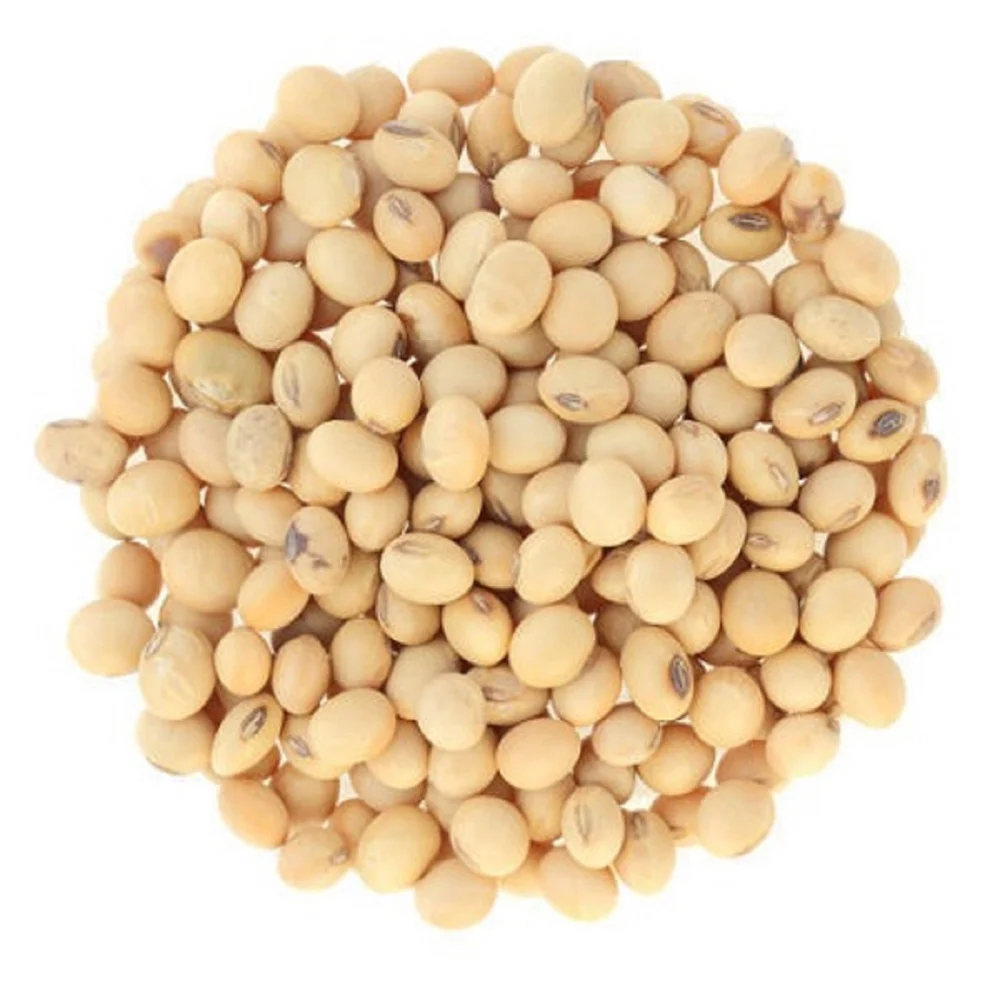
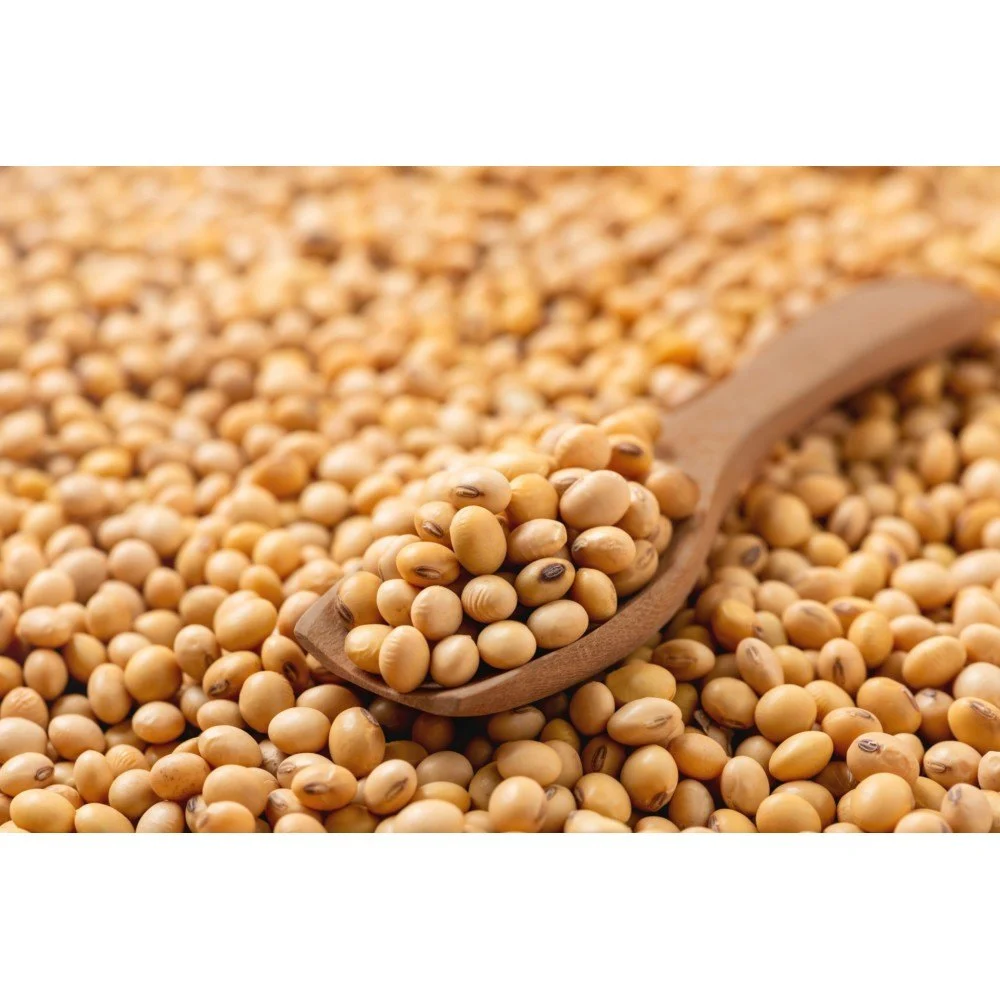
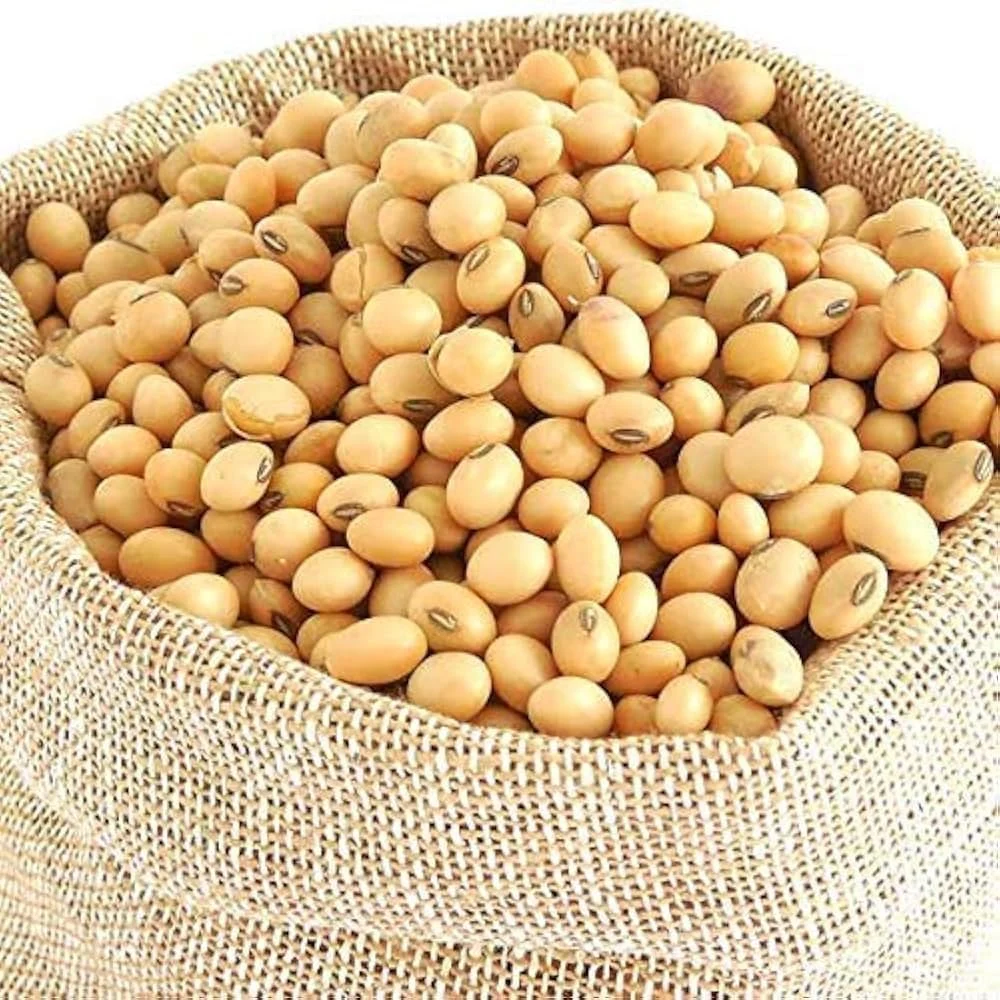
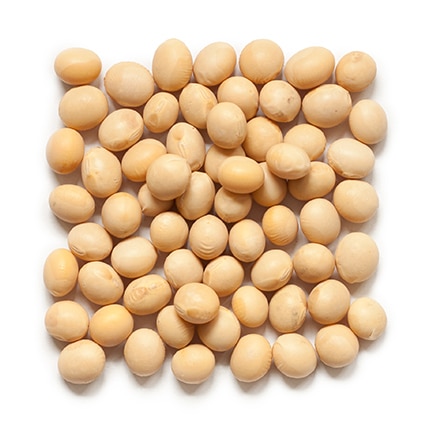
Our Non-GMO Soybeans make the best tasting soymilk and tofu. Why try our non-GMO soybeans?
- 100% Natural Protein, grown straight from the earth
- Non-GMO Soybeans (not genetically modified)
- Best tasting soymilk
- Make your own soymilk at home
- Costs less than half of store bought soymilk
- Fresh – you make it when you need it
- Perfect alternative to milk for people with allergies
- Vegan-endorsed
- Easy To Store Beans For Ease of Use
- Rich in isoflavones
Quality you can Trust from our Farm to your Table.
| Packaging Size |
100 g
|
| Packaging Type |
PP bag
|
| Country of Origin |
Tanzania
|
| Moisture |
12%
|
| Protein |
37%
|
| Fat |
17%
|
| Foreign matter |
1%
|
Organic soybean seeds are cultivated through natural methods without the use of synthetic pesticides or fertilizers, adhering to strict organic farming standards. These seeds are prized for their high protein content and versatility in culinary applications.